
In this article, we are going to talk about the procedure and advantages of an RP of instructional design. Although today’s instructional designers use proven processes for building courses these days, the complexities of the work environment make it difficult to get the desired results by following the disciplined approaches. Therefore, the instructional designers may want to consider rapid prototyping in China.
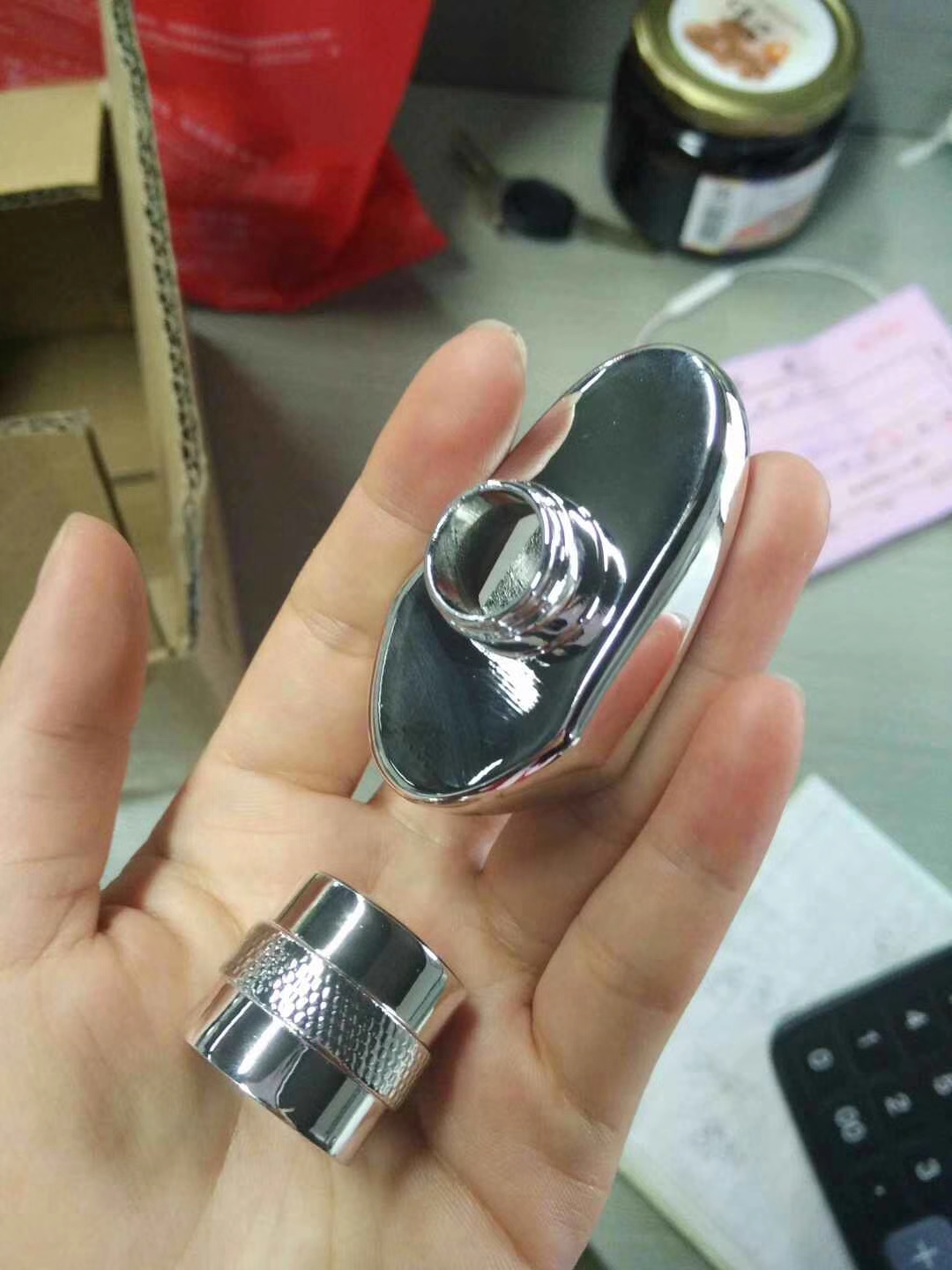
Basically, rapid prototyping products involves an instructional design-based approach that creates the combo of the evaluation, development and design phases of the most popular ADDIE model. Actually, the aim is to put together and demonstrate a working model of the entire force.
The main goal of the working model is to give a basic understanding of the course and its function. The purpose of its creation is to find out the instructional efficacy of the processes of concepts like the navigational framework and user experience before working on the actual course.
Advantages
RP can help overcome many challenges of the traditional practices of ADDIE. This is done by allowing stakeholders to get some insight into the course and give comments to the designers. This way designers can implement the required changes without making changes to the whole course.
As a result, the designers don’t have to suffer from the frustration at the end. This can save them a lot of time, and they can train the learners much faster.
Actually, rapid prototyping is a regular practice in the world of software engineering. Many front-end web designers create wireframes or mockups to give stakeholders some insight into the actual product and get feedback before working on the actual coding.
In the same way, back-and software engineers develop different tests before working on the programming to make sure that the final application will do the required functions.
Techniques for an RP Design
According to George M. Piskurich(2000), given below are the rapid design instructional techniques in different phases of the popular ADDIE model.
A-ANALYZE
- Using retro assessment
- For organisational assessment, conducting the interviews of the top 10 candidates
- Finding out about a fast approach to fill in the gap in performance
- Leaving out time-intensive interviews
- Making use of electronic bulletin
- Using internet-based service to collect the required information
D-DESIGN
- The use of job analysis
- Maintenaning a minimal amount of formal reporting
- To put together a series of tests at different levels
- Using a series of logical steps
D-Development
- The use of current policies, magazine articles, annual reports and procedures
- The use of games for instructional use
- The use of short video clips to describe the process
I-Implementation
- Ask D validators for reviewers to get together as a group
- Conduct training sessions
E-Evaluation
- Performing the required evaluations
- The use of performers checklists for rechecking performance
In short, with the help of RP, the ADDIE model combines many steps for the purpose of streamlining the whole process. Beginners should not use rapid prototyping services as they don’t have knowledge of the entire process.
Resource box: This article is originally posted in https://www.rapidprototypechina.com.