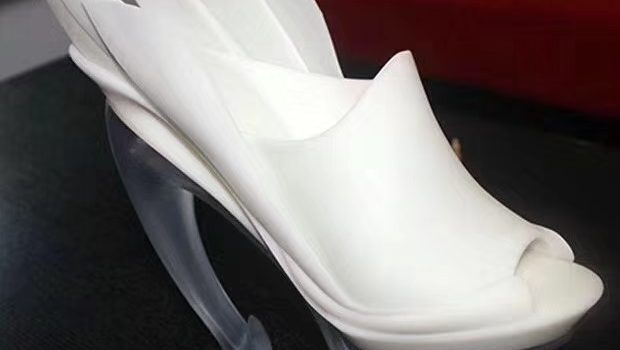
Rapid prototyping has different names, such as 3D printing or additive manufacturing (AM). Unlike other techniques, this one is a bit different as far as making parts by creating layers over layers based on the 3D model data is concerned. Let’s know more about the typical rapid prototyping journal.
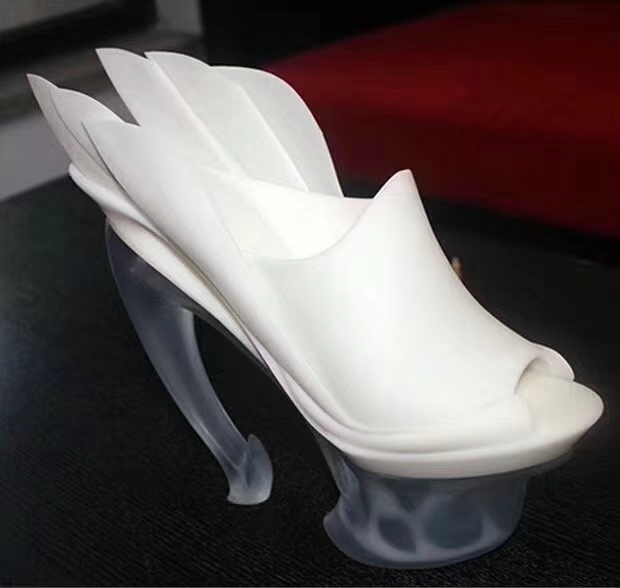
It’s important to understand the difference between rapid prototyping and other subtractive manufacturing methods like machining. The term 3D printing refers to the type of fabrication that uses nozzles or print-heads besides the regular printing technologies.
This process involves the use of AM technologies for the process of metal deposition (MD) through melting metal powders like steel, Inconel and titanium. During this process, high-energy sources are used like laser or Electron Beam.
Benefits of the AM process
The number one benefit of the rapid prototyping process is that it allows you the freedom to design as per your needs. In other words, you can create complex shapes and inner cavities that you can’t produce through the regular machining systems.
The flexibility of this process enables you to make customized designs in a short period of time. As a result, it’s possible to make many pieces without any complex tools.
Another great benefit is that the process involves quick cooling of the layers unlike other metal forming methods like forming or casting.
Types of products
With the help of the AM technology, you can make a lot of products like fuel injection swirlers, microturbines, jet engine components, airplane parts, and turbine blades, to name a few.
In the transport sector, AM can help make tooling inserts, heat shields, propellers, cooling systems, hydraulic manifolds, and brackets just to name a few.
In the medical field, this technology can help make dental bridges, different implants and a lot of other consumer goods.
For rapid development, different rapid prototyping processes use a different type of metal powder technology. Let’s take a look at two major types:
- Powder bed technology
Powder bed technologies are applied in the field of Selective Laser Sintering and Selective Laser Melting. In these fields, a laser beam is used to melt down the metal powder. As an alternative, in case of Electron Beam Melting (EBM), an electron beam is used in order to melt the powder.
- Blown powder technology
Powder feeding or blown powder technologies aka Laser Metal Deposition is a process where the metal powder is blown to the power laser beam. As a result, this process melts the particles to create a metallurgical bond after it has cooled.
LENS stands for laser engineered net shaping. It uses the technology to allow a higher level of powder deposition rates, unlike the powder bed technologies. Many researchers have been using FE processes in order to find out more about additive manufacturing technologies.
So, this was a description of the typical rapid prototyping journal. If you want to know more about this technology and the processes it uses, we suggest that you get in touch with a qualified engineer. These techniques have been helping a lot of businesses around the globe.
Resource box: This article is originally posted in https://www.rapidprototypechina.com.