With the help of rapid prototyping, manufacturers create prototypes of their designed products. After the prototype meets their needs, mass production is started. Basically, these prototypes or models can provide a lot of information about the actual product. This process allows the early identification of the possible problems in the product. In this article, we are going to talk about rapid prototyping equipment.
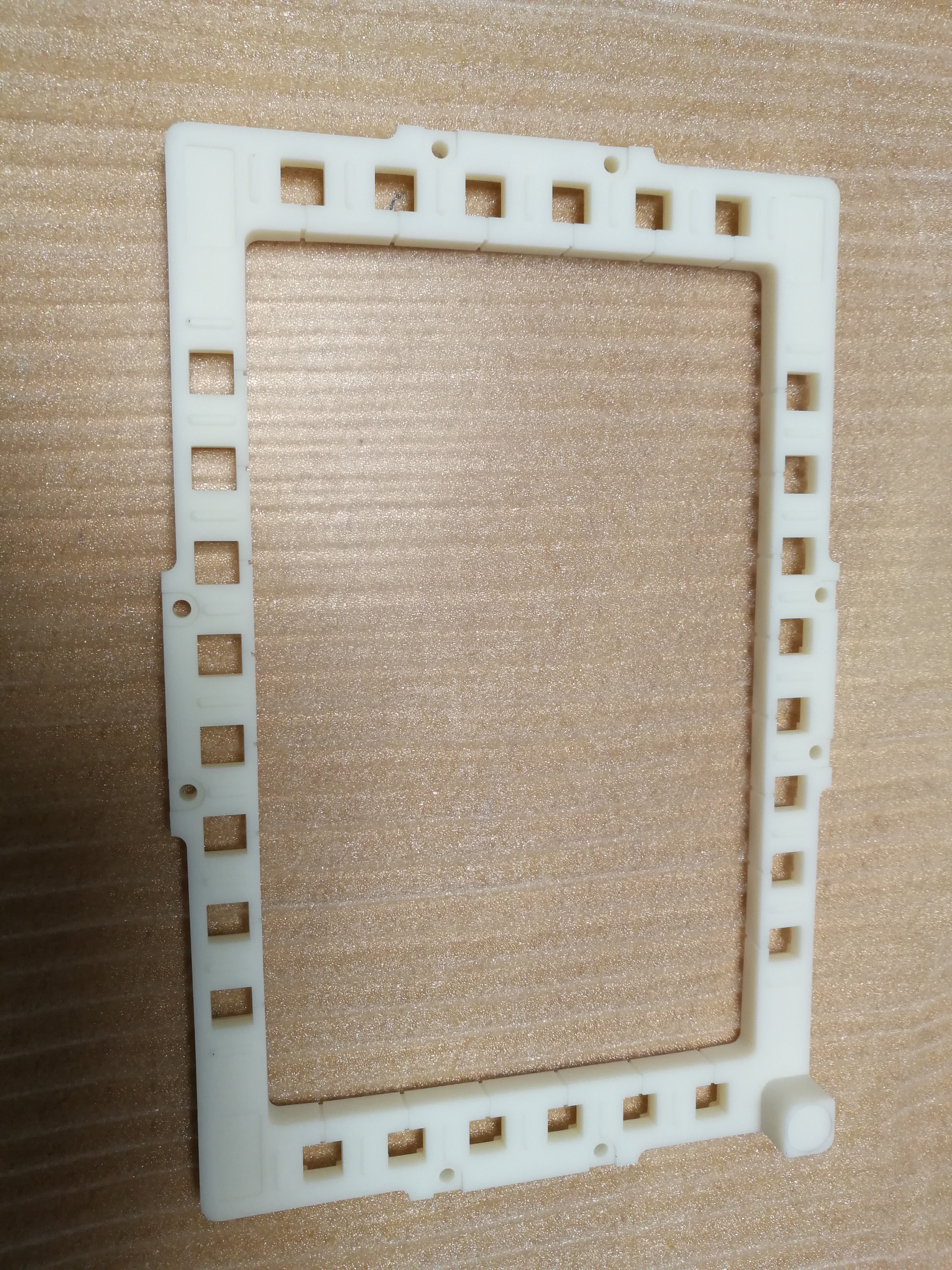
First of all, rapid prototyping equipment is also known as 3D printers additive manufacturing equipment. With CNC machining equipment, it is also possible to build prototypes. Often, RP equipment plays a great role during the computer-aided manufacturing process.
In this process, computer-aided design drawings are created for 3D models. RP equipment is used to read computer-aided design data to create a prototype.
Types of technologies
Different types of 3D printing technologies are used for rapid prototyping equipment. Manufacturers use digital technologies to make different objects. Extrusion techniques make use of direct ink writing and fused deposition modeling. Let’s find out more about these types.
Fused deposition modeling: In this technique, the filaments of a material are heated up. Thermoplastic is one of the materials we are talking about. This material is dispensed from nozzle in order to create many layers of the desired product. After extrusion, the material becomes solid right away.
The good thing about the FDM techniques is that there they are reliable. The downside is that the process takes plenty of time for some specific object geometries.
Direct ink writing: Also known as robocasting, DIW is like FDM. Just like FDM, the material is used to create layers of the desired model. However, the difference is that the final object goes through a sintering process. This is how mechanical strength is achieved.
Now let’s talk about two more common techniques: digital light processing and stereolithography.
Stereolithography: Also known as SLA, this technique is used to create object layers through an ultraviolet laser. With SSL, it is possible to achieve higher accuracy and an ideal surface finish.
Digital light processing: In this technique, a traditional lamp is used instead of a laser. Basically, unlike SLA, DLP does not require a large volume of photopolymer. Moreover, this technique allows for faster production.
Manufacturers also use power bed techniques. They include a lot of techniques such as direct metal laser sintering, selective laser sintering, selective heat sintering, selective laser melting, electron beam melting, and so on.
Laser sintering techniques are not much different from stereolithography methods. In this method, they use a powerful laser and focus the light on a bed of quality powder material. The powder is used in the desired pattern layer by layer.
Aside from these, there are lamination techniques that consist of selective preposition lamination and laminated object manufacturing.
LOM: In this technique, cross-sections of the thing are cut out of the material like paper. Then each section is layered with the quality plastic coating that works as a bonding agent.
SDL: Selective deposition lamination is not much different from the LOM method. This technique involves depositing the material in a higher density area that is going to become a part.
So this is an introduction to the required equipment for rapid prototyping services.
Resource box: This article is originally posted in https://www.rapidprototypechina.com.